

A new autism diagnosis can make even ordinary decisions feel urgent: Which provider understands my child? Will therapy work with school? How do we know our family will be heard? Families seeking ABA services for families in Littleton, CO deserve clear answers, compassionate support, and care that recognizes their child as a whole person – not a list of challenges.
Applied Behavior Analysis, or ABA therapy, is an evidence-based approach that helps children build meaningful skills through positive teaching, practice, and reinforcement. For many children, those skills may include communicating needs, joining everyday routines, playing with peers, managing transitions, or gaining greater independence. The right program is not one-size-fits-all. It should reflect your child’s strengths, interests, developmental needs, and your family’s priorities.
What Quality ABA Services Look Like for Littleton Families
ABA is most helpful when it connects learning to real life. Rather than practicing a skill only at a table, a thoughtful therapy program may help a child use communication during play, follow a routine before leaving the house, or participate in a family outing with more confidence. This approach is often called natural environment training, or NET. It uses everyday activities and a child’s genuine interests to make learning purposeful and enjoyable.
At the same time, some skills benefit from focused teaching in a calm, structured setting. A quality provider balances structured learning with play, movement, choice, and opportunities for a child to generalize skills across people and places. The goal is not to make children act alike. It is to support communication, autonomy, safety, connection, and access to the activities that matter to them.
BCBA supervision is an essential part of this process. A Board Certified Behavior Analyst, or BCBA, completes a comprehensive assessment, develops an individualized treatment plan, reviews progress, and adjusts teaching strategies based on data and ongoing observation. Behavior technicians work directly with children while receiving clinical guidance from the BCBA. Parents should be able to understand who is overseeing care, how often the plan is reviewed, and how the team measures meaningful growth.
Beginning ABA Services for Families in Littleton, CO
The first step is usually a conversation about your child and what your family needs now. You may be looking for help with language development, daily routines, social participation, school readiness, or transitions that have become difficult. You do not need to arrive with all the answers. A supportive clinical team should listen carefully and explain the process in plain language.
The assessment should feel collaborative
A comprehensive ABA assessment typically includes parent or caregiver interviews, direct observation, review of relevant records, and discussion of skills that would make the biggest difference in daily life. For a toddler, that may involve functional communication and play. For a school-age child, it could involve peer interaction, flexible routines, or independence with classroom expectations. Teen goals may focus more on self-advocacy, practical life skills, community participation, and preparing for increasing independence.
The assessment should also identify strengths. A child’s favorite games, interests, sensory preferences, ways of connecting, and successful routines can all inform tailored care. Those details help clinicians create joyful learning opportunities that feel motivating rather than disconnected from the child’s life.
Goals should be specific and meaningful
Good ABA goals are observable, individualized, and relevant to everyday life. Instead of a vague goal such as “improve behavior,” a family might work with the clinical team toward skills such as asking for a break, completing a familiar routine with fewer prompts, taking turns in a preferred game, or using a visual schedule during a transition.
Progress is not always a straight line. Children may make quick gains in one area while needing more time in another, especially when school schedules, sleep changes, new environments, or developmental shifts affect their routines. A responsive team reviews data but also values parent feedback. If a goal no longer fits your child or family, the plan should change.
How Family Involvement Supports Lasting Growth
Parents and caregivers know their children best. Family-focused ABA does not ask caregivers to become full-time therapists. Instead, it offers practical coaching so the strategies used in therapy can fit naturally into home, school, and community life.
For example, a clinician might model how to offer simple choices during snack time, pause to encourage communication during a favorite activity, or prepare for a transition before a trip to deKoevend Park. These are not scripts families must follow perfectly. They are supportive tools, adapted to each household’s routines, culture, capacity, and goals.
Caregiver collaboration is especially valuable when several adults support a child. Parents, grandparents, school teams, and other trusted caregivers may all benefit from consistent, respectful communication. With appropriate permissions, an ABA provider can coordinate with school professionals so clinic goals complement what a child is already working on in class.
For Littleton families, coordination can matter when a child attends Littleton Public Schools, Cherry Creek School District, or another nearby program. Clinic-based care, home-based support, and school collaboration each have different benefits. The best arrangement depends on the child’s needs, family schedule, school services, and the skills being targeted.
Practical Questions to Ask an ABA Provider
Choosing a provider can feel personal because it is personal. Your child deserves a team that treats them with dignity and makes you feel informed. During an initial call or consultation, it can help to ask how the provider develops goals, how often a BCBA directly supervises services, and how parents receive updates.
You may also want to ask how therapy is individualized, what a typical session includes, and how the clinic helps children use skills beyond the therapy setting. Ask how staff members are trained, how the team responds when a child is overwhelmed or needs space, and how your input shapes the treatment plan. Clear, respectful answers are a positive sign.
Logistics matter, too. Before enrolling, ask about accepted insurance plans, including Colorado Medicaid if applicable, authorization requirements, scheduling options, and whether the clinic can coordinate around school hours. Availability changes, so it is reasonable to ask about current intake timing and what support is available while you wait to begin services.
Finding a Local Setting That Fits Your Child
Convenience is not the only factor, but it can make consistent care more manageable. A clinic near Southglenn, Centennial, or the 80122 area may reduce travel demands for families balancing work, school pickup, appointments, and siblings’ activities. Still, the closest provider is not automatically the best fit. Consider whether the environment feels welcoming, whether your child has opportunities for play and movement, and whether the team communicates with care and transparency.
Some children thrive with a clinic-based schedule that offers predictable routines and peer opportunities. Others benefit from a combination of clinic services, caregiver coaching, and community-based learning. There is no single correct model. The right recommendation follows a thoughtful assessment and a realistic understanding of what your family can sustain.
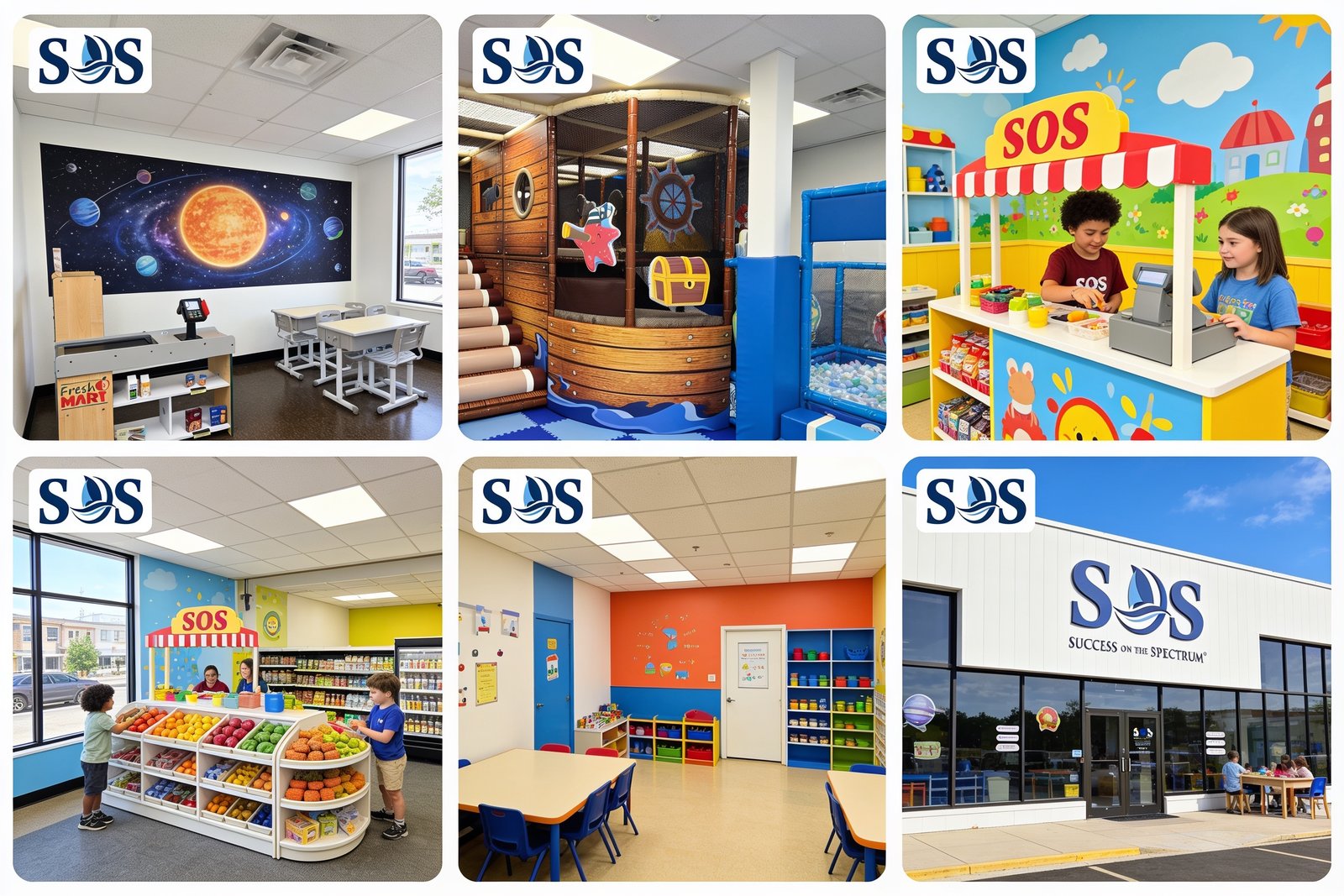
Success On The Spectrum Centennial ABA Therapy serves children and families across Centennial, Littleton, and the South Denver area with personalized, BCBA-supervised care. Our team focuses on evidence-based behavioral intervention while creating a nurturing setting where children can practice skills, build confidence, and experience meaningful milestones.
A Partnership Built Around Your Family
Starting ABA therapy is not a commitment to a predetermined path. It is the beginning of a collaborative relationship that should remain responsive to your child’s growth. You should feel comfortable asking questions, raising concerns, celebrating progress, and revisiting priorities as your family’s needs change.
The most meaningful progress often appears in moments that may seem small to someone else: a child sharing an idea, joining a game, completing a routine with pride, or feeling understood. With tailored care, supportive partnership, and patient attention to what matters most, those moments can become part of everyday family life.
Every Child Can Thrive. Let’s Start Together.
If you’re ready to help your child build a strong foundation for school and life, we’re ready to help.
 Success On The Spectrum Centennial 7562 S University Blvd, Ste FF, Centennial, CO 80122
 720-372-2659
 centennial@successonthespectrum.com
 successonthespectrum.com/location/Centennial/
Schedule your free consultation today — and let’s give your child the best possible start. 
Serving Centennial, Denver, Aurora, Littleton, Castle Pines, Highlands Ranch, Lone Tree, Englewood, Parker, and surrounding communities.