
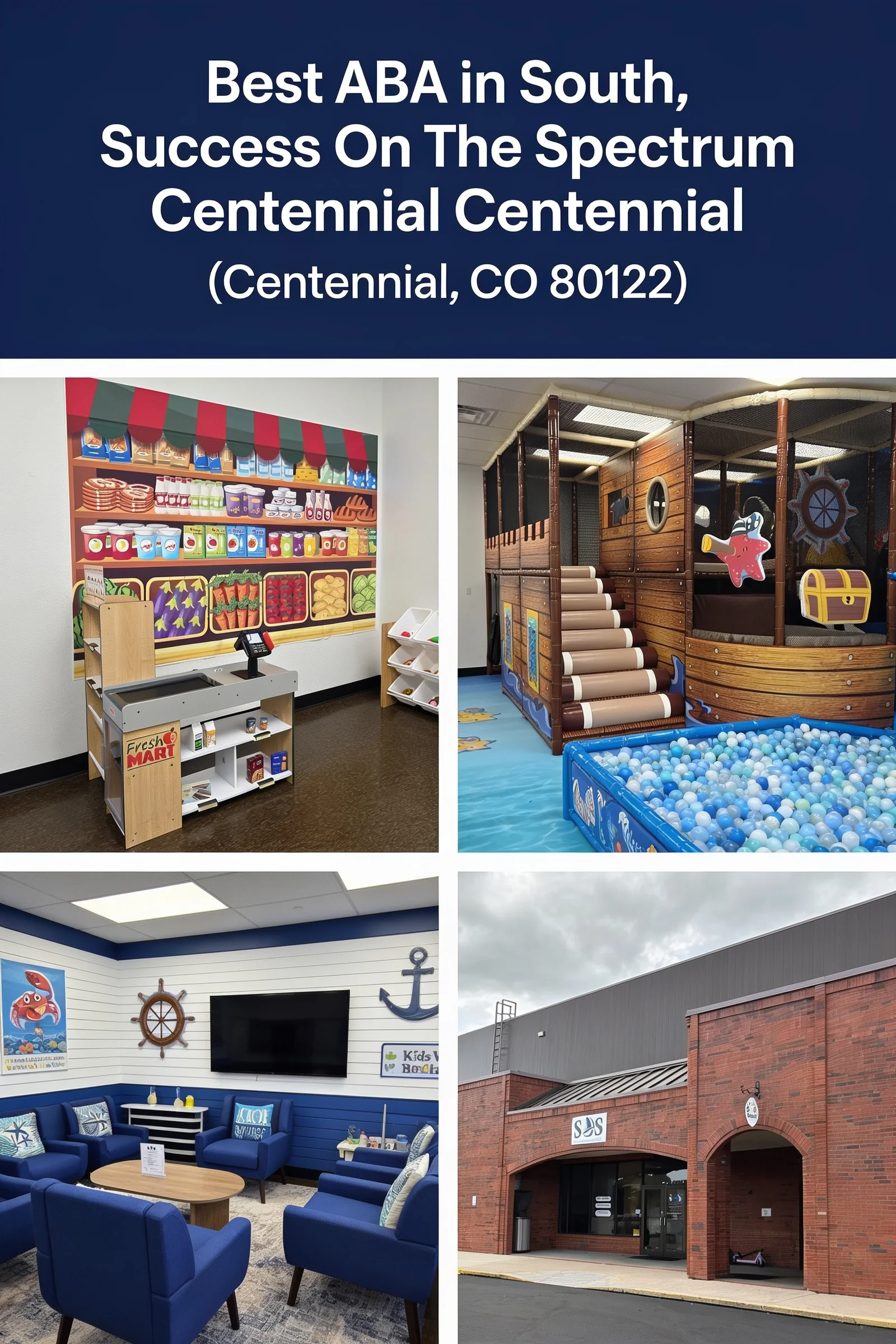

A new autism diagnosis can bring relief, questions, and a full folder of unfamiliar terms all at once. Autism therapy services can give families a clear, supportive place to begin by turning broad goals into meaningful skills a child can use during play, meals, school routines, and community outings.
For children and teens, the purpose of quality therapy is not to make them fit a predetermined mold. It is to provide tailored care that honors their individual strengths while helping them communicate needs, participate more comfortably in daily life, build independence, and experience more joyful learning. The right support also includes parents and caregivers, because the people who know a child best are essential partners in meaningful growth.
What autism therapy services may include
Autism therapy services are not one identical program for every child. A thoughtful provider begins by learning about the child’s communication style, interests, current abilities, daily routines, and family priorities. A toddler who is learning to request a favorite toy may need different support than a teenager preparing for more independent routines, friendships, or school transitions.
At an ABA clinic, Applied Behavior Analysis is used to understand how skills develop and how the environment can better support success. Modern, compassionate ABA relies on positive reinforcement, which means recognizing and encouraging helpful skills in ways that are meaningful to the child. Reinforcement might include praise, access to a preferred activity, a short game, or simply the satisfaction of being understood.
Services may address communication, social interaction, play, emotional regulation, daily living skills, and transitions. Therapy should be individualized rather than based on a one-size-fits-all checklist. Goals may include asking for help, tolerating a change in routine with support, joining a peer activity, getting dressed with fewer prompts, or following a bedtime routine more independently.
Why BCBA supervision matters
Families often see the initials BCBA when researching providers. A Board Certified Behavior Analyst is a clinician with specialized training in behavior assessment, ethical practice, and ABA intervention. BCBA supervision helps ensure that a child’s program is guided by ongoing clinical decision-making rather than a set of activities that never changes.
A BCBA evaluates information from direct observation, caregiver input, and skill assessments to develop an individualized treatment plan. They train and support the therapy team, review progress data, and adjust goals when a child is ready for a new step or when an approach is not producing the intended result.
This oversight matters because progress is rarely a straight line. A child may quickly gain confidence with one skill and need more time with another. School demands, changes at home, illness, sensory needs, and developmental stages can all affect how a child responds. A responsive clinical team uses this information to keep care supportive, practical, and focused on what matters most to the family.
Building skills through play and real life
Many parents picture therapy as sitting at a table for long stretches. Some structured teaching can be helpful for certain goals, but effective autism therapy often happens in natural, engaging moments. This is called natural environment training, or NET.
During NET, a therapist may follow a child’s interest in cars, animals, art, movement, or pretend play and create opportunities to practice a skill within that activity. If a child enjoys a train set, the therapist might encourage requesting a track piece, taking turns, responding to a simple question, or expanding imaginative play. The activity remains enjoyable while also providing repeated, purposeful learning opportunities.
This approach can make it easier for skills to carry over beyond the clinic. A child who practices asking for a turn during a game may gradually use that skill with siblings, classmates, and peers at a neighborhood park. Generalization – using a skill across people, settings, and materials – is a central part of meaningful ABA care.
For families in Centennial and Littleton, real-life practice may include preparing for a visit to deKoevend Park, navigating a community activity near Southglenn, or building routines that make the school day feel more manageable. The goal is always to support skills where life actually happens, not only within the therapy setting.
Family involvement makes progress more sustainable
Caregiver collaboration is not an extra feature of autism therapy services. It is a core part of effective, family-focused care. Parents and guardians understand what motivates their child, what daily routines are difficult, and what a successful day looks like at home. Their perspective should shape treatment goals from the start.
Caregiver guidance may help families understand why a strategy is being used and how to practice it naturally without turning home life into a therapy session. For example, a clinician may show a parent how to create simple choices at snack time to encourage communication or how to use visual supports for a morning routine. The best strategies are often the ones a family can realistically use consistently.
Collaboration also means respecting a family’s capacity. Some weeks are busy with work, school events, appointments, or siblings’ needs. A supportive team helps prioritize rather than expecting perfection. Small, repeated opportunities can lead to important milestones over time.
Choosing a local ABA provider with confidence
When comparing providers, families deserve clear information and a respectful conversation. Availability can be a pressing concern, especially after a recent diagnosis, but fit and quality are equally important. Ask how the assessment process works, who supervises treatment, how often the BCBA is involved, and how the team measures progress.
It is also reasonable to ask what a typical therapy session looks like, how the clinic supports communication preferences and sensory needs, and how caregivers are included. A welcoming environment should feel safe, organized, and warm. Your child should be treated with dignity, patience, and genuine encouragement.
Practical details matter, too. Families balancing appointments with Littleton Public Schools, Cherry Creek School District schedules, or work commitments may need options that fit around the school day. Before enrolling, ask about scheduling, parent meetings, the intake timeline, and whether the clinic can help you understand what documentation may be needed for Colorado Medicaid or commercial insurance. Coverage and authorization requirements vary by plan, so a provider should communicate honestly about what they can verify and what families may need to confirm with their insurer.
A strong provider will welcome questions rather than rushing them. Trust is built when clinical recommendations are explained in plain language and when parents understand how their child’s individual goals connect to everyday life.
What meaningful progress can look like
Progress does not always arrive as one dramatic moment. It may look like a child using a new word or communication device to ask for a break. It may be a smoother transition from the car to the classroom, a child joining a sibling’s game for a few more minutes, or a teenager completing a familiar routine with less help.
Data can help a clinical team see patterns and guide decisions, but numbers should never be the only story. Families should also notice whether a child appears more confident, more able to express needs, and more comfortable participating in the activities that matter to them. Those observations help keep therapy connected to real quality of life.
At Success On The Spectrum Centennial LLC, families can expect compassionate, BCBA-supervised ABA care built around each child’s needs, strengths, and potential. For families across Centennial, Littleton, and the South Denver area, the first step can simply be a conversation about what is challenging now and what growth could look like next.
You do not need to have every question answered before seeking support. A caring clinical team can help you sort through the options, set priorities, and create a path that gives your child room to learn, communicate, and thrive in ways that are meaningful to your family.
Every Child Can Thrive. Let’s Start Together.
If you’re ready to help your child build a strong foundation for school and life, we’re ready to help.
 Success On The Spectrum Centennial 7562 S University Blvd, Ste FF, Centennial, CO 80122
  720-372-2659
  centennial@successonthespectrum.com
  successonthespectrum.com/location/Centennial/
Schedule your free consultation today — and let’s give your child the best possible start. 
Serving Centennial, Denver, Aurora, Littleton, Castle Pines, Highlands Ranch, Lone Tree, Englewood, Parker, and surrounding communities.