
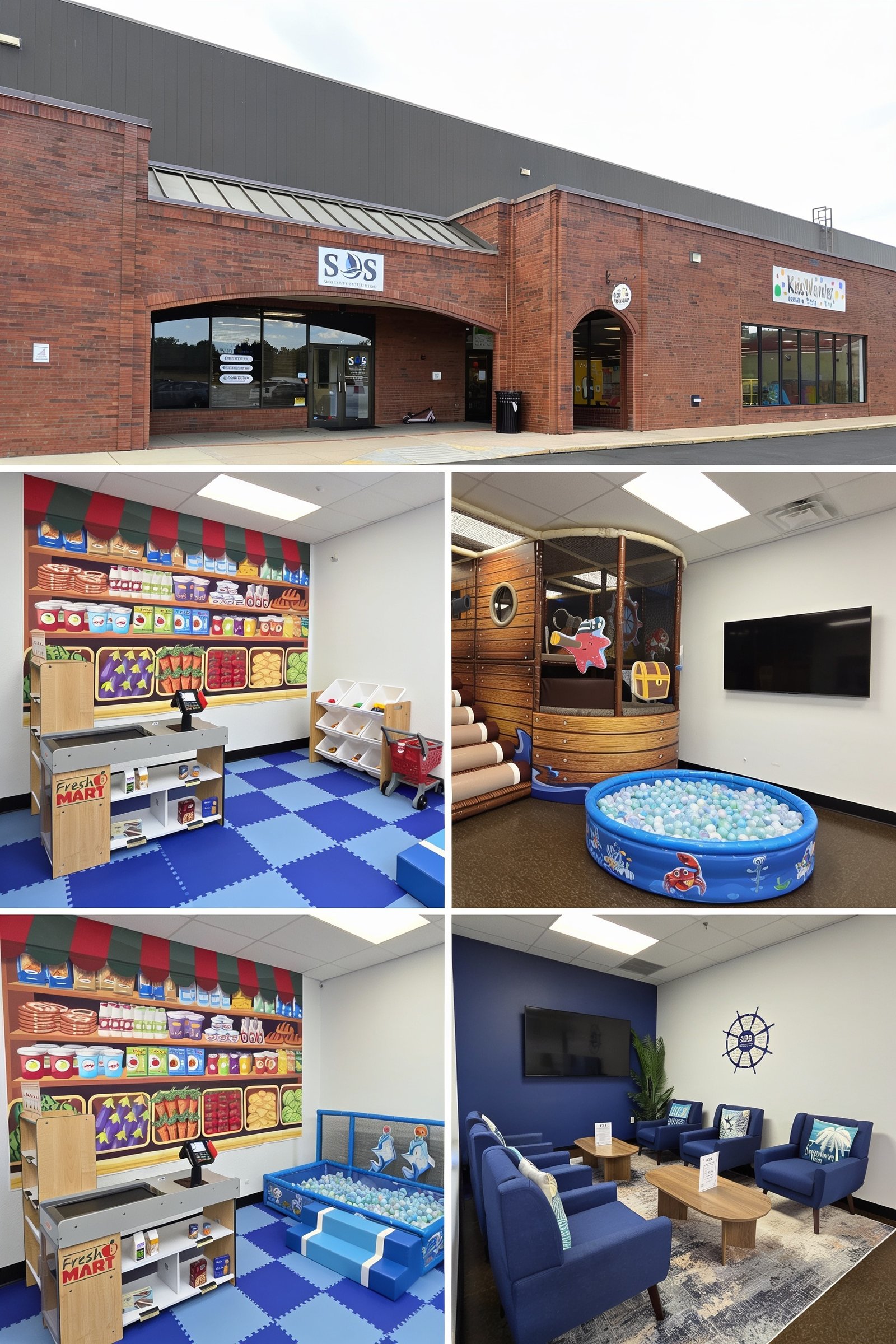

When a child has recently received an autism diagnosis, or when developmental concerns are becoming harder to ignore, the search for support can feel urgent and deeply personal. Families looking for autism therapy Highlands Ranch Colorado are often asking more than, “What services are nearby?” They are asking whether their child will be understood, treated with dignity, and supported in ways that make daily life more joyful and manageable.
For many children, high-quality Applied Behavior Analysis, or ABA therapy, can provide structured, encouraging opportunities to build communication, play, social, self-care, and learning skills. The right clinic does not offer a generic program. It listens closely to your family, identifies meaningful goals, and uses evidence-based teaching to support growth one milestone at a time.
What Families Should Expect From Autism Therapy Near Highlands Ranch
ABA is an evidence-based approach that uses observation, teaching, and positive reinforcement to help children learn skills that matter in their real lives. Reinforcement simply means responding to a helpful behavior in a way that makes it more likely to happen again. For one child, that may be praise, a favorite activity, or a chance to keep playing with a preferred toy.
Modern, compassionate ABA should feel supportive and purposeful, not disconnected from who your child is. A child may practice asking for help during an art activity, taking turns in a game, following a visual routine, or joining a peer in play. These small learning moments can lead to greater confidence at home, school, and in the community.
BCBA supervision is a meaningful quality marker
A Board Certified Behavior Analyst, or BCBA, has advanced training in behavior analysis and oversees the clinical direction of an ABA program. The BCBA assesses each child’s strengths and needs, develops individualized goals, reviews progress, and adjusts teaching strategies when data shows a child needs a different approach.
Direct therapy may be provided by trained behavior technicians, but families should know who is supervising their child’s care and how often that supervision occurs. A collaborative clinical team should also invite caregiver input. Parents know their children best, and their observations are essential to creating tailored care.
Therapy goals should connect to everyday life
A thoughtful assessment looks beyond a diagnosis. It considers how your child communicates wants and needs, plays, manages transitions, participates in routines, and connects with family members and peers. Goals might include using words, a communication device, signs, or pictures to request preferred items; getting ready for school with more independence; or learning ways to join a group activity.
The pace and priorities should depend on the child and family. A preschooler preparing for a classroom routine may need different support than a teenager working toward community skills and increased independence. Families should feel comfortable asking why each goal was selected and how it will be practiced outside of a therapy setting.
Joyful learning belongs in clinical care
Children learn best when they feel safe, engaged, and respected. Play-based instruction and natural environment training, often called NET, bring learning into the activities children already enjoy. Rather than teaching only at a table, a therapist might build communication practice into a game, snack preparation, a playground activity, or pretend play.
Structured teaching can also be valuable, especially for skills that benefit from clear repetition and reduced distractions. The strongest programs thoughtfully balance structured learning with natural opportunities for practice. The goal is not simply completing a task in a therapy room. It is helping a child use a skill when it matters.
Choosing Autism Therapy in Highlands Ranch, Colorado
Convenience matters, especially when a family is balancing school, work, siblings, appointments, and the ordinary demands of home life. Highlands Ranch families may find a clinic in nearby Centennial or the 80122 area to be a practical option, particularly when it offers consistent scheduling and a location that works with travel through South Denver.
Location alone should not make the decision. Before enrolling, ask how the clinic approaches safety, communication with caregivers, progress monitoring, and transitions between home, school, and therapy. A welcoming intake conversation should make room for your questions rather than making you feel rushed.
It can help to ask these practical questions during an initial call or tour:
- Who will create and supervise my child’s treatment plan, and how will I communicate with the BCBA?
- How are goals selected, measured, and shared with caregivers?
- What does a typical therapy session look like for a child at my child’s age and developmental level?
- How do you incorporate play, choice, and each child’s interests into learning?
- What support is available for parent or caregiver training?
- How do you coordinate with schools or other providers when a parent gives permission?
A clinic should be able to answer these questions clearly, without relying on vague promises. It is reasonable to ask about staff training, supervision, scheduling options, and current availability. Wait times can vary by age, service needs, staffing, insurance requirements, and appointment preferences, so direct and transparent communication is especially valuable.
A Family-Focused Plan Extends Beyond the Clinic
Progress is often strongest when a child experiences similar support across the places that shape daily life. That does not mean parents need to become therapists or turn every family moment into a lesson. It means the clinical team can teach practical strategies that fit naturally into routines such as getting dressed, sharing a snack, playing with siblings, or heading out to a favorite community space.
For families near deKoevend Park, the Southglenn area, or neighborhoods served by Littleton Public Schools and Cherry Creek School District, daily routines can look very different from one household to the next. A good ABA provider respects those differences. Caregiver training should be collaborative, focused on what is feasible for your family, and designed to help you feel more confident supporting skills between sessions.
School collaboration may also be helpful when families want it and provide written permission. ABA therapy does not replace a child’s educational services, but coordinated communication can help adults use consistent language and support strategies. This can be especially useful during transitions, whether a child is starting preschool, moving into elementary school, or preparing for more independence as a teen.
Insurance, Scheduling, and Starting Services
Logistics can feel like another full-time job when you are trying to begin autism services. During the intake process, ask whether the clinic works with your insurance plan, including Colorado Medicaid or commercial insurance if applicable, and what authorization steps may be required. Coverage and eligibility depend on the individual plan, so a clinic’s intake team can help explain the information they need from you and what happens next.
You can also ask whether the provider offers clinic-based therapy, how sessions may fit around school hours, and whether parent meetings are available at workable times. Some children benefit from more intensive services, while others may need a schedule that complements school and other supports. A clinical recommendation should be based on an individualized assessment, your child’s needs, and what is sustainable for your family.
At Success On The Spectrum Centennial ABA Therapy in Centennial, families can expect a supportive conversation about their child’s strengths, needs, and goals. As part of the Success On The Spectrum network, the clinic provides BCBA-supervised, family-focused ABA services designed to encourage meaningful growth through positive, personalized learning.
The first call does not require you to have every answer prepared. Bring your questions, share what is going well along with what feels hard, and look for a team that sees your child as a whole person. The right support can make room for more connection, more confidence, and more opportunities for your child to participate in the life your family enjoys together.
 Ready to See the Difference for Yourself?
 Success On The Spectrum Centennial
7562 S University Blvd., STE FF
Centennial, CO 80122
 Call Now: 720-372-2659
 Email: centennial@successonthespectrum.com
Book a Facility tour of SOS Centennial online
 Learn More: https://successonthespectrum.com/location/centennial/
Follow us on social media:
 Facebook – Success On The Spectrum Centennial
 Instagram – @soscentennial
“Where Every Child’s Progress Is Our Purpose.”
Don’t wait. Don’t wonder.
Schedule your free tour today and see why families across the Denver Metro area are choosing Success On The Spectrum Centennial.
Enrollment Now Open • No Waitlist • BCBA-Led Care • Play-Based ABA