

A search for board certified behavior analysts (BCBA) near me is rarely just about finding the closest clinic. For many parents, it begins after a diagnosis, a difficult preschool pickup, a conversation with a teacher, or a growing sense that their child needs more support. You want care that respects your child, fits your family’s real life, and helps build meaningful skills through joyful learning.
A BCBA-supervised ABA therapy program can provide that support when it is individualized, evidence-based, and collaborative. For families in Centennial, Littleton, and South Denver, knowing what to look for can make the next step feel clearer.
When “Near Me” Needs to Mean More Than Nearby
Convenience matters. Therapy that is close to home, school, or work may be easier to attend consistently, especially when your family is balancing appointments, school schedules, siblings, and everyday responsibilities. A nearby clinic in the 80122 area may also understand local routines, including transitions between Littleton Public Schools or Cherry Creek School District programs and after-school activities.
Still, location is only one part of the decision. The quality of clinical supervision, the approach to teaching, staff training, communication with caregivers, and the environment itself all shape your child’s experience. A short drive to a program with thoughtful BCBA involvement may offer more value than a closer option that cannot clearly explain who is guiding your child’s care.
The goal is not to find a one-size-fits-all service. It is to find a supportive team that learns who your child is, listens to what matters to your family, and uses positive, individualized teaching to encourage growth.
What a BCBA Does in ABA Therapy
A Board Certified Behavior Analyst, or BCBA, is a professional with advanced training in behavior analysis who meets national certification requirements. In an ABA setting, the BCBA has a central clinical role. They assess skills and support needs, develop individualized treatment goals, train and supervise therapy staff, review progress data, and adjust teaching strategies when needed.
For parents, that oversight should be visible. A BCBA should not be a name attached to paperwork while someone else makes all clinical decisions. Your family should understand who your child’s BCBA is, how often they observe or supervise sessions, and how you can share questions or concerns.
Assessment Starts With Listening
An ethical ABA assessment looks beyond a checklist. The BCBA gathers information about communication, play, social interaction, daily living skills, learning readiness, and behaviors that may make routines harder. They should also ask about your child’s strengths, interests, sensory preferences, family priorities, and school experience.
This helps create goals that are meaningful in daily life. Depending on the child, those goals may include requesting help, participating in play, following a morning routine, building flexibility during transitions, or developing skills for community outings. Progress is most valuable when it supports greater participation at home, at school, and in the community.
Teaching Should Feel Respectful and Engaging
Modern ABA can include structured teaching when a new skill needs focused practice, but it should also include natural environment training. Natural environment training means teaching within play, conversation, snacks, routines, and activities a child already enjoys. A therapist may use a favorite toy, a turn on the playground, or an art activity as an opportunity to practice communication and social skills.
Positive reinforcement is a core part of this process. Put simply, when a child uses a helpful skill and experiences a meaningful positive result, they are more likely to use that skill again. Reinforcement is individualized. For one child, it may be praise, bubbles, music, movement, a preferred activity, or simply the success of being understood.
How to Evaluate Board Certified Behavior Analysts Near Me
A first conversation with a provider should leave you feeling informed, not pressured. You do not need to know every ABA term before calling. A quality clinic should explain its services in plain language and welcome your questions.
When evaluating board certified behavior analysts near me, ask how the provider will get to know your child before recommending services. Ask how often the BCBA is directly involved, how therapy technicians receive training and supervision, and how the team measures progress. Data is an important part of evidence-based ABA, but a strong provider will explain it in a human way: what skill is being tracked, why it matters, and what the information tells the team about your child’s learning.
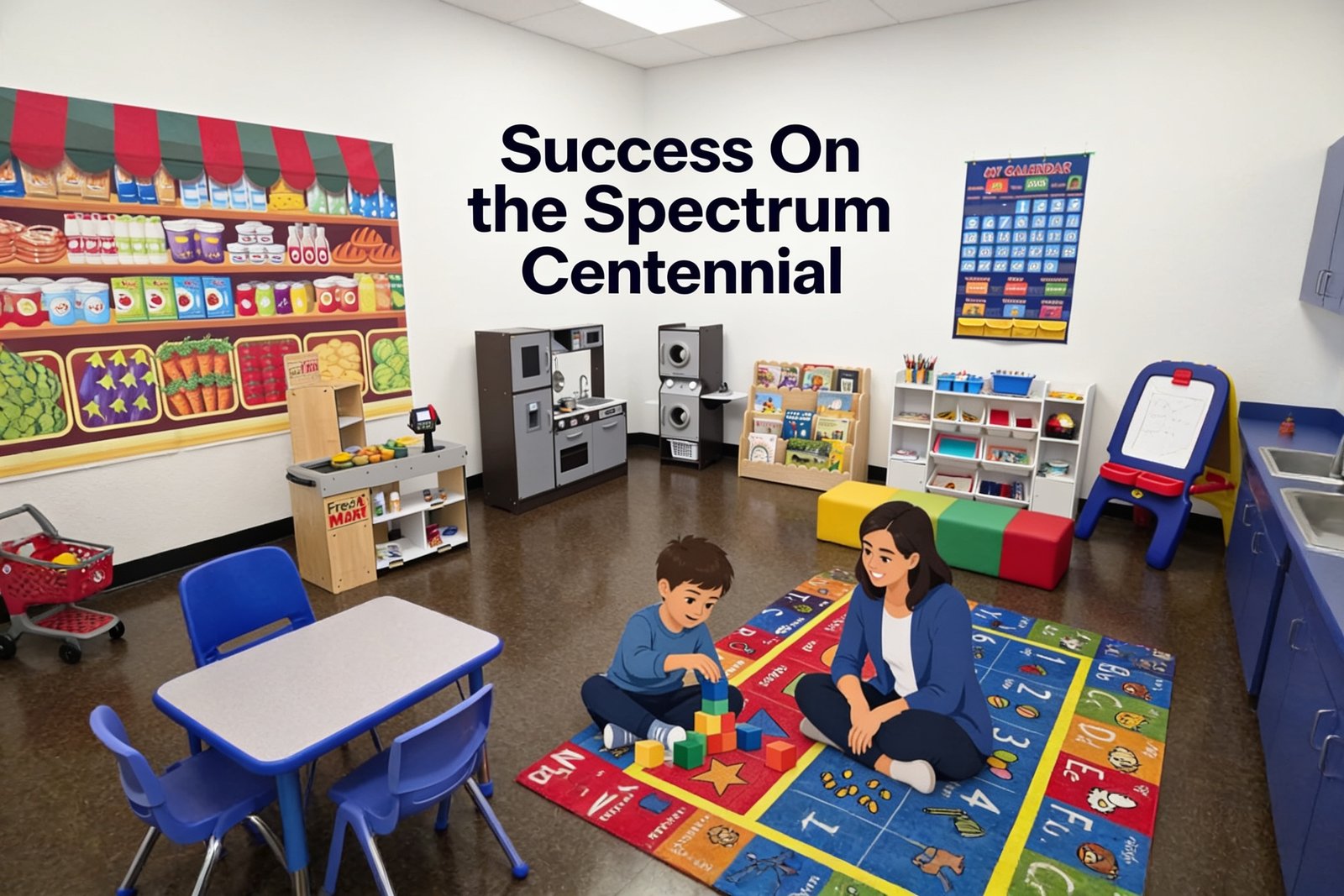
It is also reasonable to ask about the clinic environment. A nurturing setting should be clean, organized, and designed for children, with spaces for play, learning, movement, and calmer activities. Observe whether staff speak to children with patience and respect. Notice whether the team is ready to explain how it protects dignity, honors communication, and responds to each child’s needs.
The following questions can help compare providers:
- Who will be my child’s BCBA, and how will we communicate with them?
- How is therapy tailored to my child’s strengths, needs, and family priorities?
- How do you use play-based learning and natural environment training?
- What does caregiver collaboration look like during treatment?
- How do you coordinate with school schedules and other appropriate providers?
There is no single correct answer for every family. Some children benefit from center-based services with frequent peer opportunities and a consistent therapy setting. Others may need a schedule that works carefully around school, transportation, or family obligations. The best recommendation is one that follows a thoughtful assessment rather than a preset plan.
Family Partnership Is Part of Effective Care
Your child may spend time with therapists, but you know them best. A family-focused ABA program makes room for your insight from the beginning. You may identify priorities such as getting ready for school with less stress, communicating wants more clearly, joining family activities, or feeling more comfortable at a park like deKoevend Park.
Caregiver collaboration does not mean parents are expected to become therapists. It means the clinical team shares practical information, celebrates milestones with you, and offers guidance that fits your routines. Small changes can become meaningful when they are realistic enough to use consistently at home.
Regular updates matter as well. You should know what goals are being addressed, where your child is making progress, and what the team is adjusting. Children grow at different rates, and progress is not always linear. A trustworthy BCBA will be honest about that while continuing to look for supportive, evidence-based ways to help your child learn.
Practical Details to Ask About Before You Enroll
The clinical relationship is the heart of care, but logistics affect whether a program can work for your family. Ask about current availability and the intake process early, particularly if you are seeking services soon after an autism diagnosis or developmental concern. Wait times, recommended hours, and scheduling options can differ between providers.
Insurance questions deserve direct answers. A clinic should be able to explain which commercial insurance plans it works with, whether it accepts Colorado Medicaid when applicable, and what information is needed to verify benefits. Coverage and authorization requirements vary by plan, so confirmation before services begin helps families plan with fewer surprises.
It can also help to ask how the clinic handles school-age scheduling, transportation coordination, and communication with other members of your child’s support team when you provide consent. These practical details are not secondary. They are part of creating care that is sustainable for the whole family.
Local, BCBA-Supervised Support for Your Family
At Success On The Spectrum Centennial ABA Therapy in Centennial, families can expect compassionate, individualized ABA services guided by clinical expertise and a commitment to respectful care. The focus is on helping children build communication, social, adaptive, and learning skills through positive, play-based approaches that recognize each child’s unique potential.
If you are in Centennial, Littleton, Highlands Ranch, Greenwood Village, Lone Tree, Englewood, or the wider South Denver area, it is okay to begin with questions. You do not have to have every decision made before reaching out. A thoughtful conversation with a BCBA-supervised clinic can give your family a clearer picture of the support available and the next milestone your child can work toward with confidence.
 Ready to See the Difference for Yourself?
 Success On The Spectrum Centennial
7562 S University Blvd., STE FF
Centennial, CO 80122
 Call Now: 720-372-2659
 Email: centennial@successonthespectrum.com
Book a Facility tour of SOS Centennial online
 Learn More: https://successonthespectrum.com/location/centennial/
Follow us on social media:
 Facebook – Success On The Spectrum Centennial
 Instagram – @soscentennial
“Where Every Child’s Progress Is Our Purpose.”
Don’t wait. Don’t wonder.
Schedule your free tour today and see why families across the Denver Metro area are choosing Success On The Spectrum Centennial.
Enrollment Now Open • No Waitlist • BCBA-Led Care • Play-Based ABA




6 Comments